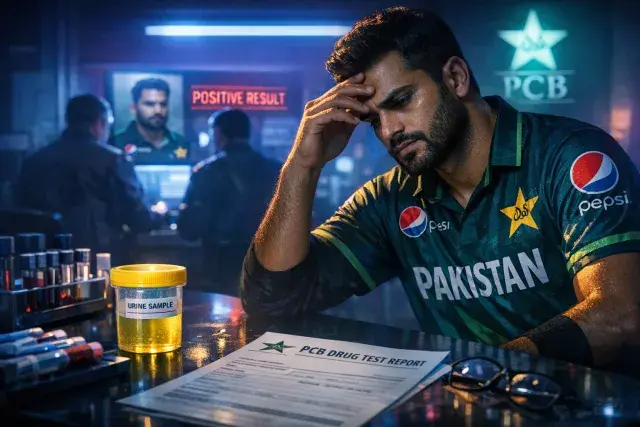
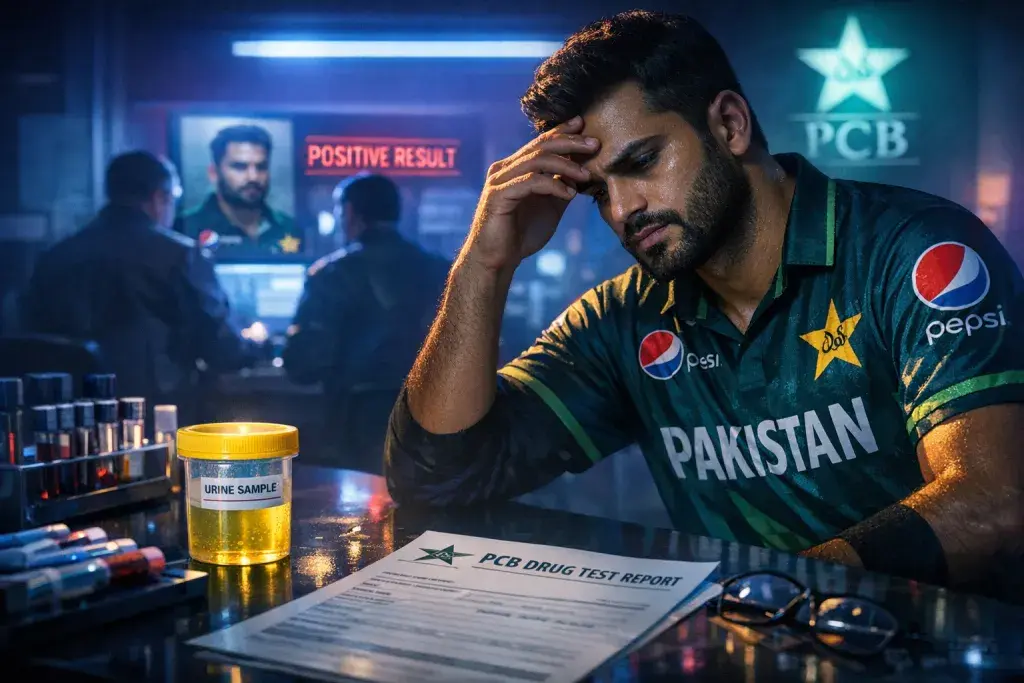
Mohammad Nawaz, a prominent figure in Pakistan's national cricket setup, has failed a routine drug test administered by the Pakistan Cricket Board. This violation places him under formal investigation for a doping offence, raising immediate questions about compliance with anti-doping protocols. The case underscores ongoing challenges in upholding integrity within high-profile athletic environments.
Routine Testing Triggers Accountability Measures
Standard drug screening forms a cornerstone of efforts to maintain clean competition in elite physical pursuits. These tests detect prohibited substances that could confer unfair advantages or compromise health, typically involving urine or blood samples analyzed for banned agents like stimulants, narcotics, or anabolic compounds. Nawaz's positive result emerged from such mandatory procedures applied to active participants, prompting the board to initiate a structured inquiry into the substance involved and any mitigating circumstances.
Potential Substances and Detection Processes
Doping tests target a wide array of chemicals outlined in international standards, including those enhancing endurance, recovery, or masking other drugs. Failure often stems from intentional use, contamination, or inadvertent exposure, though boards presume violation until proven otherwise. Without specifics disclosed, speculation centers on common categories, but the board's probe will determine the exact nature, influencing charge severity under codes like the World Anti-Doping Agency framework, which Pakistan adheres to.
Consequences and Broader Integrity Implications
A confirmed breach typically results in provisional suspension, barring participation pending resolution, with penalties ranging from reprimands to multi-year bans depending on intent and history. For seasoned contributors like Nawaz, guilt could truncate professional trajectories, eroding career longevity and endorsement value. This incident highlights persistent vulnerabilities in national programs, where repeated probes signal needs for stronger education, monitoring, and cultural shifts to deter violations amid performance pressures.
Path Forward Amid Recurring Scrutiny
The board's investigation will likely involve sample retesting, interviews, and therapeutic use exemptions if applicable, culminating in a hearing and public ruling. Outcomes could reshape internal policies, emphasizing prevention through unannounced checks and support systems. Such cases reinforce global pushes for zero-tolerance enforcement, protecting participant welfare and public trust in regulated physical endeavors.