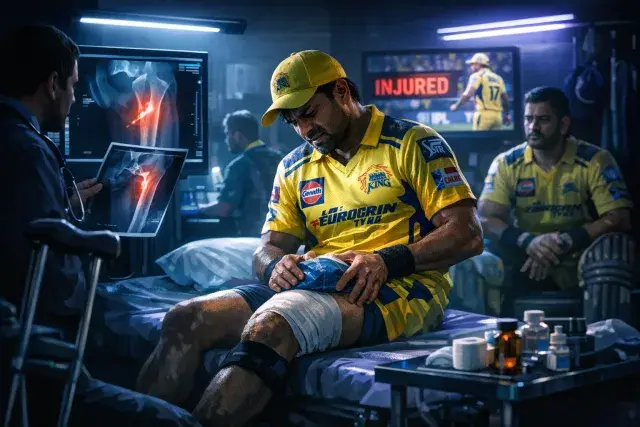
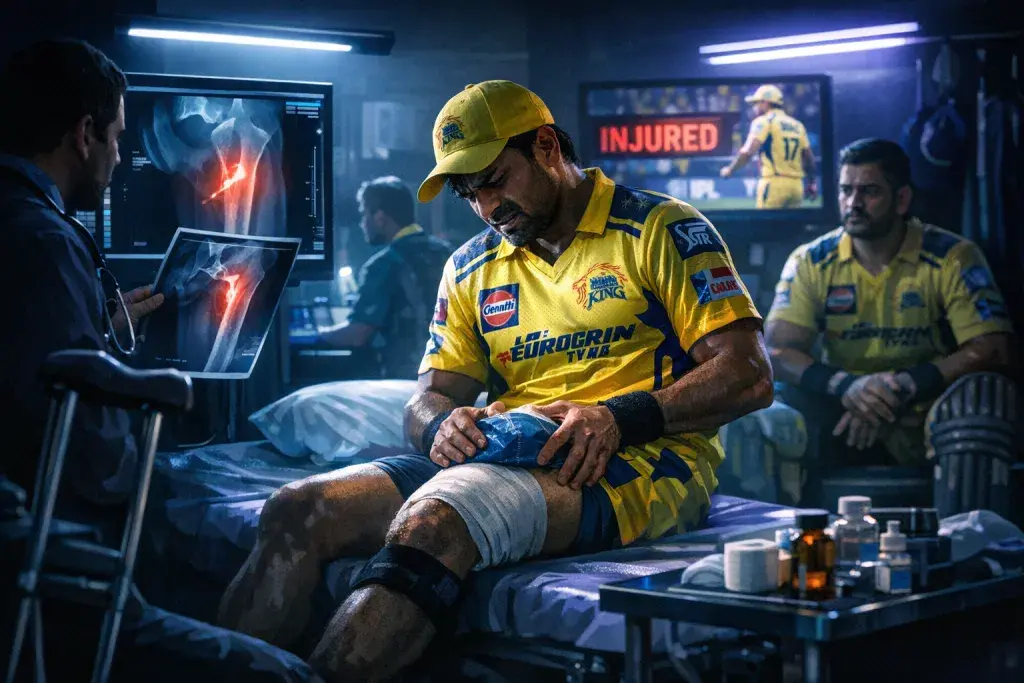
Chennai Super Kings face a deepening injury crisis after pace bowler Khaleel Ahmed suffered a severe right quadricep tear, ruling him out for the remainder of the IPL season and 10 to 12 weeks beyond. The injury occurred during their recent encounter with Kolkata Knight Riders, forcing him to exit the field mid-over. This latest blow compounds early setbacks with MS Dhoni and Dewald Brevis sidelined at the start, testing the franchise's depth amid regained momentum from two straight victories.
Pattern of Early Disruptions
The franchise began the season under strain when Dhoni and Brevis sustained injuries, delaying their contributions. Brevis has since returned, and Dhoni's comeback looms in coming fixtures, yet uncertainty lingers around Nathan Ellis's availability. Ahmed's quadricep damage, confirmed by recent scans, strikes as they prepare for Sunrisers Hyderabad, stripping a vital fast-bowling option from the lineup.
Nature and Impact of Quadricep Injuries
Quadricep tears involve the four muscles at the front of the thigh, essential for explosive movements, rapid acceleration, and forceful leg drives. Such injuries often stem from sudden stretches or impacts during high-intensity actions, leading to partial or complete fiber ruptures. Recovery demands structured rehabilitation—initial rest, ice, compression, elevation, followed by progressive strengthening—typically spanning 10 to 12 weeks for severe cases, aligning with reports on Ahmed's timeline.
Challenges in Managing Bowling Resources
Losing a key pacer like Ahmed exposes vulnerabilities in pace bowling depth, compelling swift replacement decisions. Franchises must navigate domestic talent pools or overseas options within regulatory windows, balancing skill fit, availability, and form. This disruption arrives as the side builds on recent successes, potentially altering strategies against upcoming opponents and pressuring remaining bowlers to shoulder heavier loads.
Outlook Amid Adversity
While Brevis's return bolsters batting and Dhoni's anticipated involvement lifts leadership, the bowling unit confronts recalibration. Ellis's unclear status adds layers of complexity, prompting evaluations of contingency plans. The path forward hinges on rapid adaptation, replacement efficacy, and injury prevention measures to sustain competitiveness through the season's latter stages.